Back Pain Care: A New Hope?
Hi, I’m Rohan. I’ve had back pain since I was 13. I think back pain care is broken because there’s no diagnostics:
- Heart disease → EKG
- Brain issues → MRI
- Back pain → Poking? Prodding? Looking?
So I’m sorting my back out, by tracking how I move in my daily life, with a tank top I made.
💔 Back pain care as it stands: Why my care was broken
- Physical Therapy: Doing their best with an incomplete understanding of how I move.
- Painkillers/Surgery: Proven to not work. Still over prescribed, ruining many lives.
- Apps: Generic stretches with no understanding of how I move.
- Gadgets: Posture buzzers tell me when I’m slouching, but not why your back hurts. Back pain is about better movement, not better posture.
😵💫 My story: Rohan, M26 - My lifelong affair with back pain
I’ve dealt with back pain since I was 13. During my teens, I tried everything: physio, chiro, osteo, acupuncture.


By 18, I gave up. I was back in PT by 22. The NHS waitlist for PT was 6 months long at the time so, since I had to pay out of pocket, I went in search of the best care. I spent £1000s (money I didn’t really have as a student), only to get the same 30ish mins and crumby exercise app :/.
What struck me this time, was the lack ability of my carers to provide any hope that I was better. It was all “here’s some exercises, lets see how it goes, see you next week.” As a patient, you’re pretty much just left stranded to “deal with it”.
At the time I was, I was building an EKG machine whilst getting my degree in biomedical engineering.
I began to wonder:
Why do we quantify every major medical condition before treatment, except back pain?
Heart problems → EKG
Brain problems → MRI
Diabetes → Bloods
Back pain → poking, prodding, eyeballing, trial-and-error exercises.
Makes no sense.
Me and that EKG — original Notion video ↗
I dove into the research, and it turns out:
Back movement is a biomarker of back pain
I.e. if I track how my back moves, specifically the velocity of my motion, I’d be able to see whether I’m getting better or not.
I asked 10 PTs why this isn’t the norm. They all said:
”I eyeball it but honestly my practice wants me to focus on upping patient numbers.”
I couldn’t believe the system was failing me in such a profound way, so I took to building. After all, the state of care couldn’t get any worse, so at the very least I thought I’d learn something.
2023 to 2024 was spent studying alone:
I taught myself digital circuits and PCB design with Youtube and Stack, read papers and spoke with academics to understand the state of the art of back pain research, and generally spent many hours alone over an uncharacteristically long and cold London winter to get a V1 together. After a lot of eating from the Hare Krishna outside UCL, and not paying for the tube (sorry TFL :/) it worked!
Version 1: wires hanging all over the place but it worked! No way I can wear this without being arrested though:
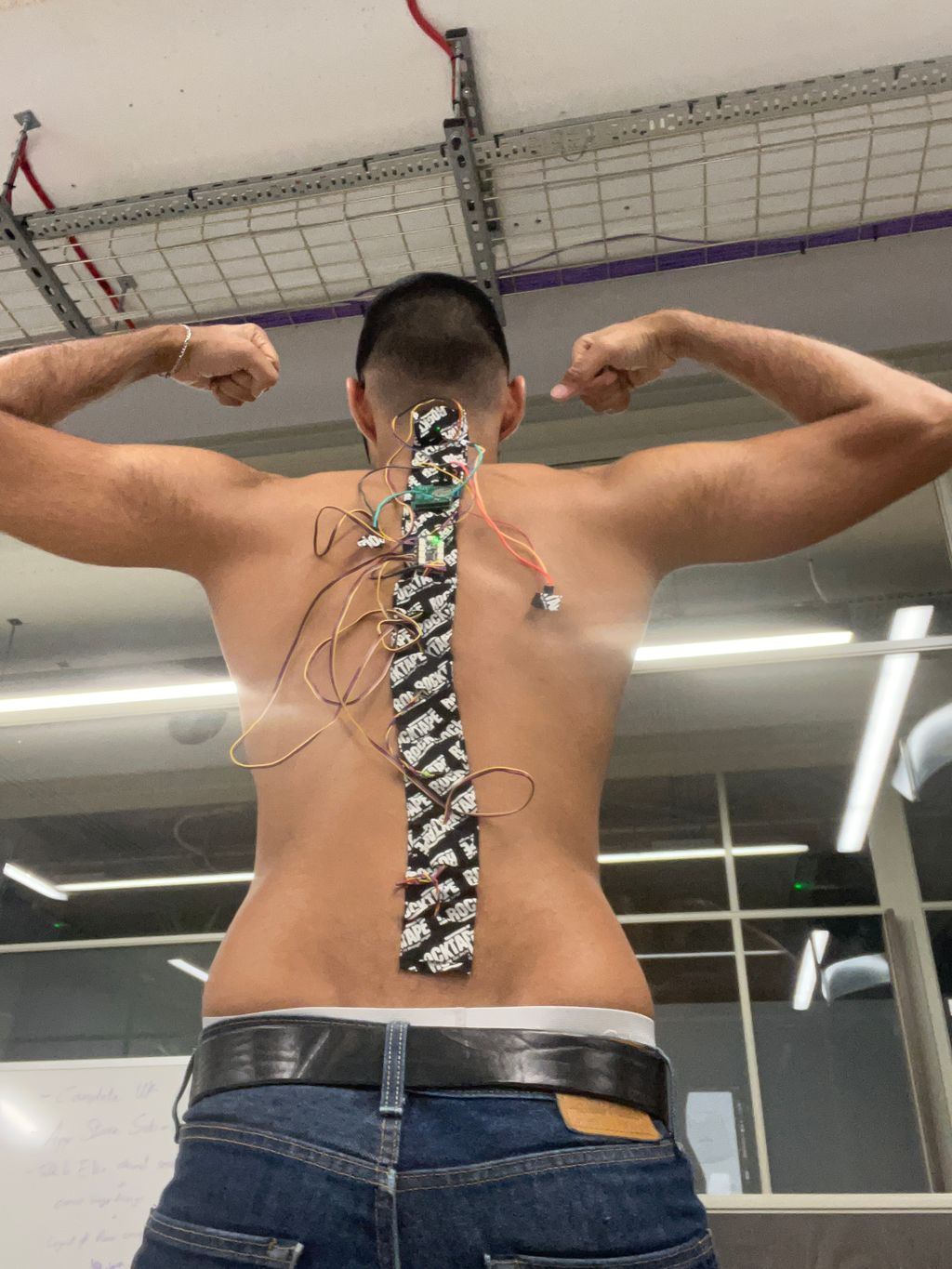
I thought I’d make sense to build a custom PCB, but iteration was extremely slow and expensive, as I was teaching myself digital electronics and PCB design from youtube and stack exchange. I needed some money, so found this thread sent a cold DM to everyone who replied to it:
“Who is currently writing ANGEL checks for hard tech?” — Aaron Slodov, 22 February 2024 ↗
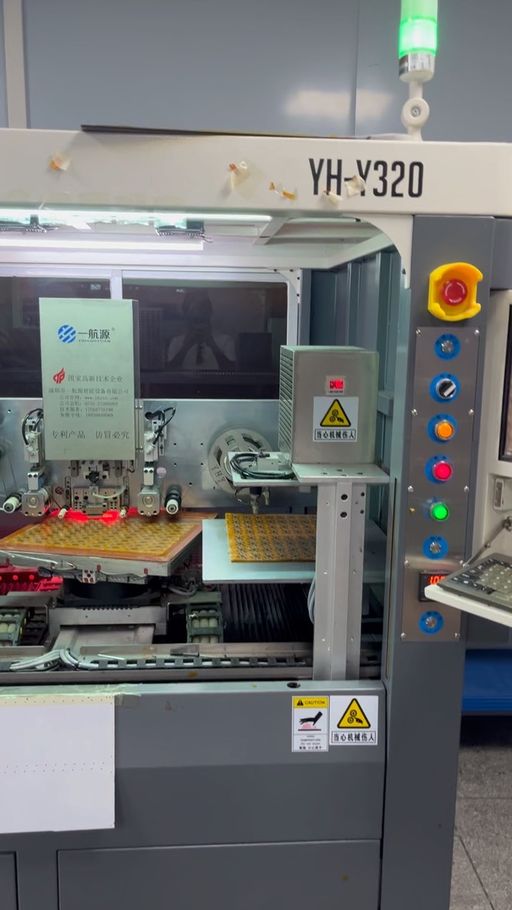
I put enough together for a lot hardware prototype runs, and to buy flights to, and a hotel in, Shenzhen, China. The speed of hardware in Shenzhen frees you from the burden on worrying about mistakes. I was lucky enough to meet folks who showed me their assembly lines, so I could see which processes within PCB manufacturing are the most error prone, and take the longest.
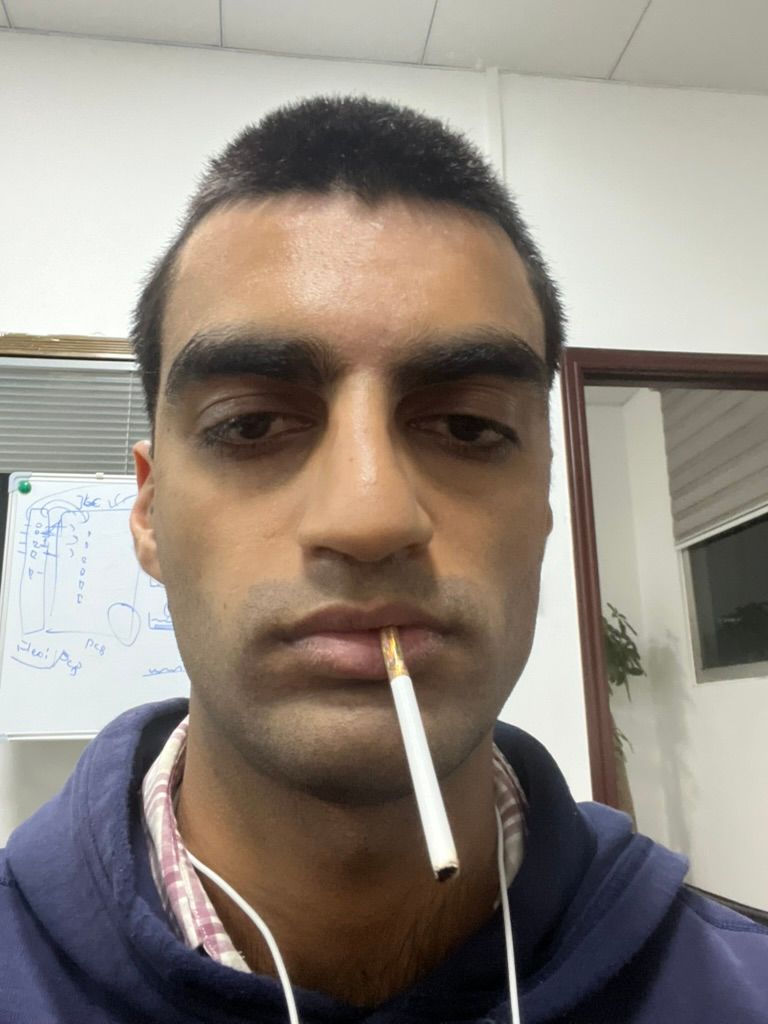
I built the tech, brought it back and and integrated it into a tank top so I can throw it on in the morning. A mixture of a friend from Central Saint Martins and my local dry cleaner helped me with the sewing job. This was extremely technical, where we experimented with different stitch types and lengths, to account for the movement of the fabric and electronics.
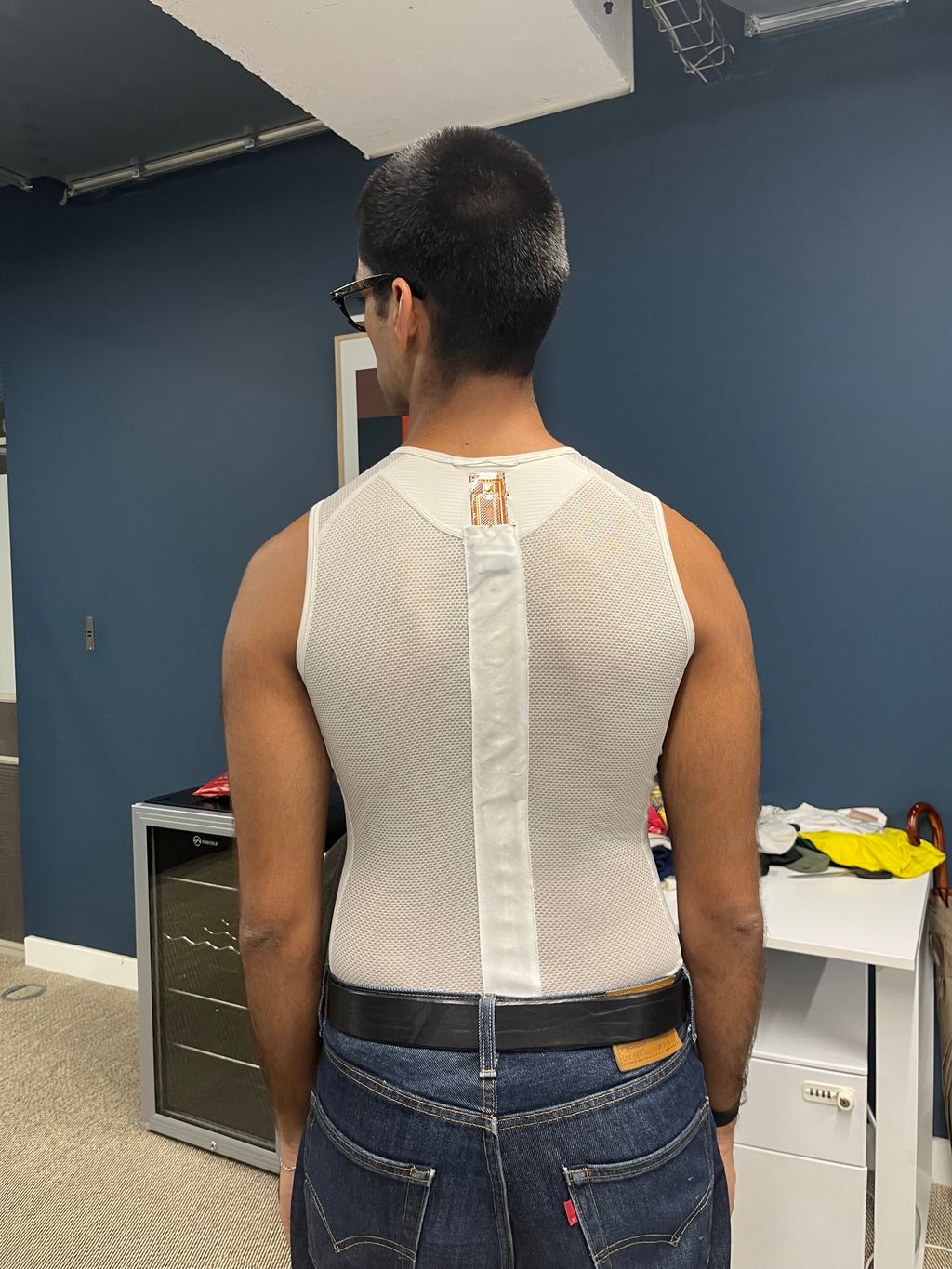
I thought this would be great - it wasn’t. The fabric kept moving in unpredictable ways, and after far too long working mitigation methods using software (smoothing based on expected values), hardware (PCB shape), and garment design (darts, clips, belts), to fix this, I concluded this wasn’t the way. Here’s nice demo anyway:
Tank top demo — original Notion video ↗
Version 3: It occurred to me that sports tape may work very well. I honestly couldn’t bare the thought of going back to China and running another painful process, so I just took the old tech and put it a tape. And oh my god it actually tracks my back accurately. It actually works!
Sports tape demo — original Notion video ↗
On my friends:

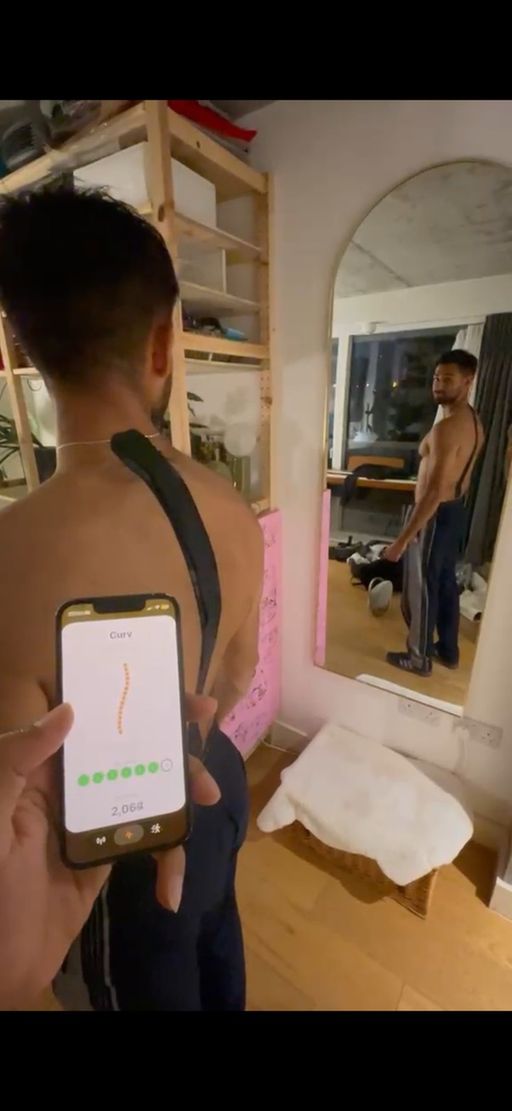
For the first time in my life, I understand my back!
I can see which parts of my back need attention.
So I now choose my stretches based on that.
And I can see my movement improving day by day.
❤️🩹 What I’m doing: Tracking my back movement to figure out my pain
I made a wearable to track my back movement. It’s a sports tape.
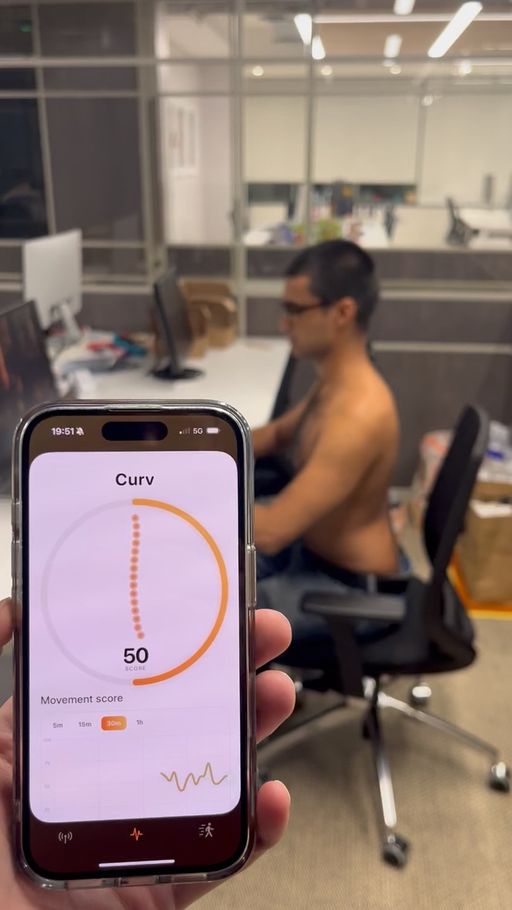
Data I’m collecting:
- Velocity (how freely I move)
- Curvature (how my posture changes across the day)
- Range of motion (how much each section of my spine moves)
- Movement symmetry (my time in flexion vs extension)
With my data, I’ve been able to:
- See which part of my spine aren’t seeing enough movement
- Get those parts of my spine moving during/after my day (as in the video)
- Pick exercises for my under/overused muscles based on my movement.
- Track whether my pain is actually going to improve.
Clarifying questions
Will this a medical device?
That’d be super cool. I’d love for this to become useful enough to then get it approved and in the hands of more people, but baby steps :)
Who’s this for?
Anyone with chronic or recurring back pain, who’s open to trying something new.
If you have back pain, or just think this is cool, feel free to shoot me a message!
+447766705182 (Whatsapp or iMessage)
Curv Labs © 2026 || London